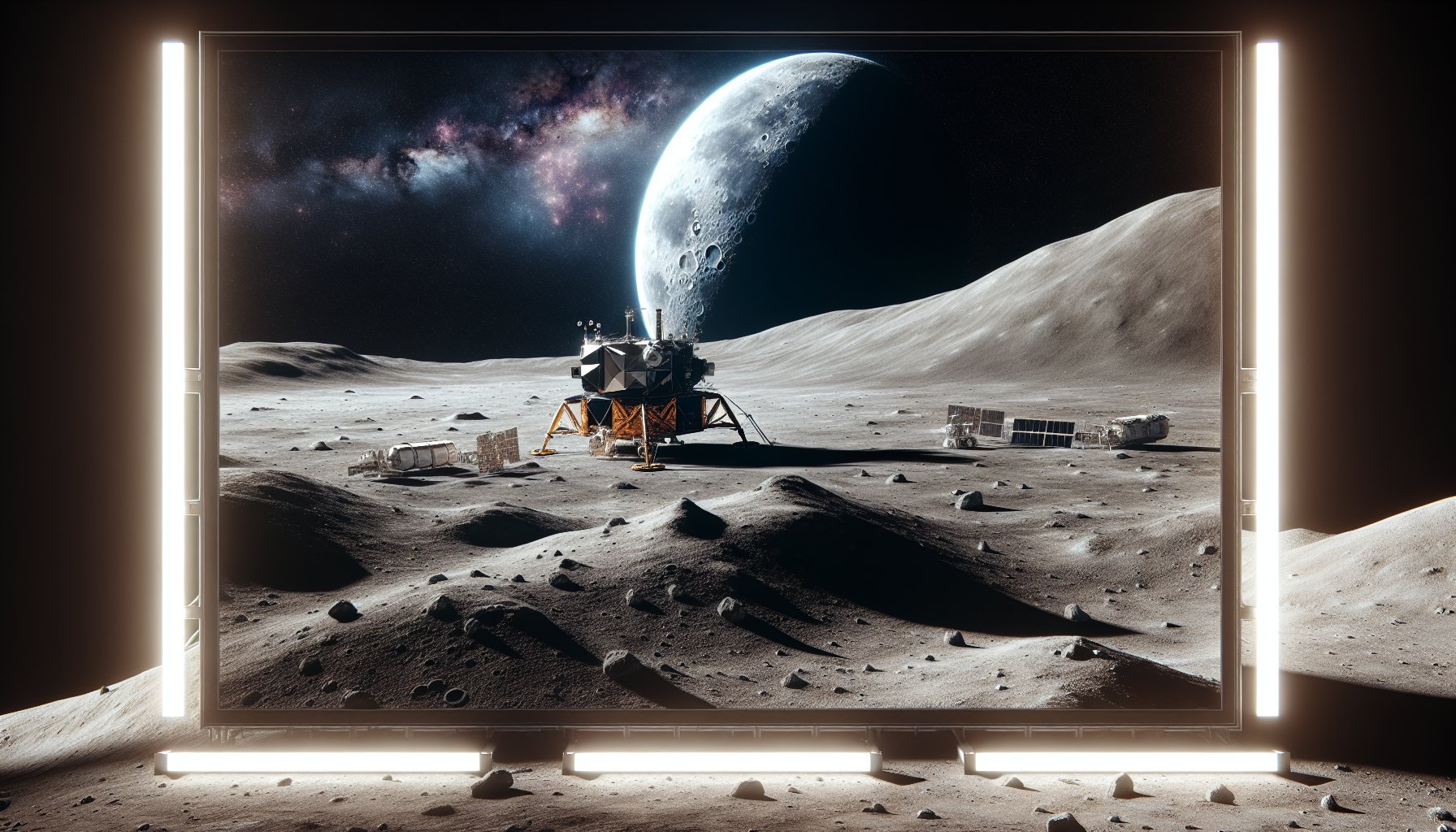
Artemis 2: The Moon Beckons as Astronauts Gear Up for Historic Launch
In the humid air of Florida's Space Coast, four astronauts touched down like modern-day explorers, their T-38 jets slicing through the sky. It was March 27, 2026, and the Artemis 2 crew had arrived at Kennedy Space Center, igniting the final sprint toward a launch no earlier than April 1. This isn't just another spaceflight—it's NASA's bold return to crewed lunar missions after a half-century pause, a high-stakes test that could redefine humanity's reach into the cosmos.
A Crew Ready for the Void
The team—commander Reid Wiseman, pilot Victor Glover, mission specialist Christina Koch, and Jeremy Hansen from the Canadian Space Agency—emerged from a weeklong quarantine that began on March 20. They'd isolated to safeguard their health, then jetted to Florida for a live-broadcast welcome. NASA Administrator Jared Isaacman greeted them with words that captured the mission's gravity: "Artemis II builds on the success of the uncrewed Artemis I in 2022, and will demonstrate a broad range of capabilities needed on deep space missions."
Picture the scene: sleek jets landing precisely at 2:30 p.m. EDT, the crew stepping out in crisp flight suits, waves of anticipation rippling through the gathered crowd. This arrival marks the kickoff of intense pre-launch rituals at Launch Complex 39B, where the massive Space Launch System (SLS) rocket already stands sentinel.
Testing the Limits: What Artemis 2 Will Achieve
Artemis 2 isn't about planting flags—it's a crucial shakedown cruise. The 10-day mission will sling the Orion spacecraft into a lunar flyby, orbiting at roughly 7,000 kilometers above the moon's surface. No landings this time, but the flight will rigorously test life support, radiation shielding, and navigation systems. These are the building blocks for Artemis 3's planned south pole touchdown and, ultimately, crewed treks to Mars.
The SLS, a 322-foot behemoth, rolled out from the Vehicle Assembly Building to the pad on March 20, its tanks brimming with over 700,000 gallons of liquid hydrogen and oxygen. It's the same day the crew entered quarantine—a poetic alignment of human and machine. NASA officials confirm the mission is on track as of March 28, with past glitches—a hydrogen leak during a February 2 dress rehearsal and a helium flow issue later that month—now fully resolved.
Overcoming Hurdles and Eyeing the Stars
Delays have tested the team's resolve, but telemetry logs and briefings from sources like PBS and Al Jazeera show no lingering issues. The launch window opens at 6:24 p.m. EDT on April 1 (2224 GMT), with backups stretching through April 6 and possibly to April 30. Weather and system checks will dictate the final go, but the mood is optimistic.
As preparations ramp up, a crew press conference and NASA briefing are slated for March 29. Technicians are fine-tuning details, from remote cameras for stunning launch footage to the crew's zero-gravity mascot, a plush toy named Rise. It's these small touches that humanize the endeavor, blending cutting-edge tech with a dash of whimsy.
Global Ambitions and Scientific Stakes
This isn't NASA's show alone. Hansen's role underscores the Artemis Accords' spirit of international teamwork, with Canada contributing key tech. During the flyby, the crew will capture images of the moon's enigmatic far side, gathering data to fuel sustainable exploration. As NASA scientists note, these insights will sharpen strategies for lunar bases and Mars outposts.
Building on Artemis 1's uncrewed triumph in 2022, this flight pushes boundaries further—literally. "NASA is aiming for an early April launch for the first crewed mission around the Moon in more than 50 years... [taking astronauts] further into space than anyone has been before," the BBC reported. Overseen by teams at Johnson Space Center and Goddard Space Flight Center, Orion's enhancements, like beefed-up radiation protection, promise safer voyages into the deep-space unknown.
A New Era Dawns
Amid rising competition from China and Russia, Artemis 2 signals a renaissance in human exploration. Under Isaacman—a former private astronaut—NASA is weaving in commercial partnerships, accelerating innovation. Space enthusiasts can tune into livestreams via NASA's site or follow on-the-ground reports from outlets like Spaceflight Now.
As the clock ticks toward April 1, the crew's arrival in Florida feels like the spark before ignition. After 50 years, we're not just returning to the moon—we're charting a path to the stars. Artemis 2 isn't the endgame; it's the prelude to landings, outposts, and Mars. In this moment of poised potential, the universe edges a little closer.


