Artemis II: Glimpsing the Moon's Hidden Face Before a High-Stakes Flyby
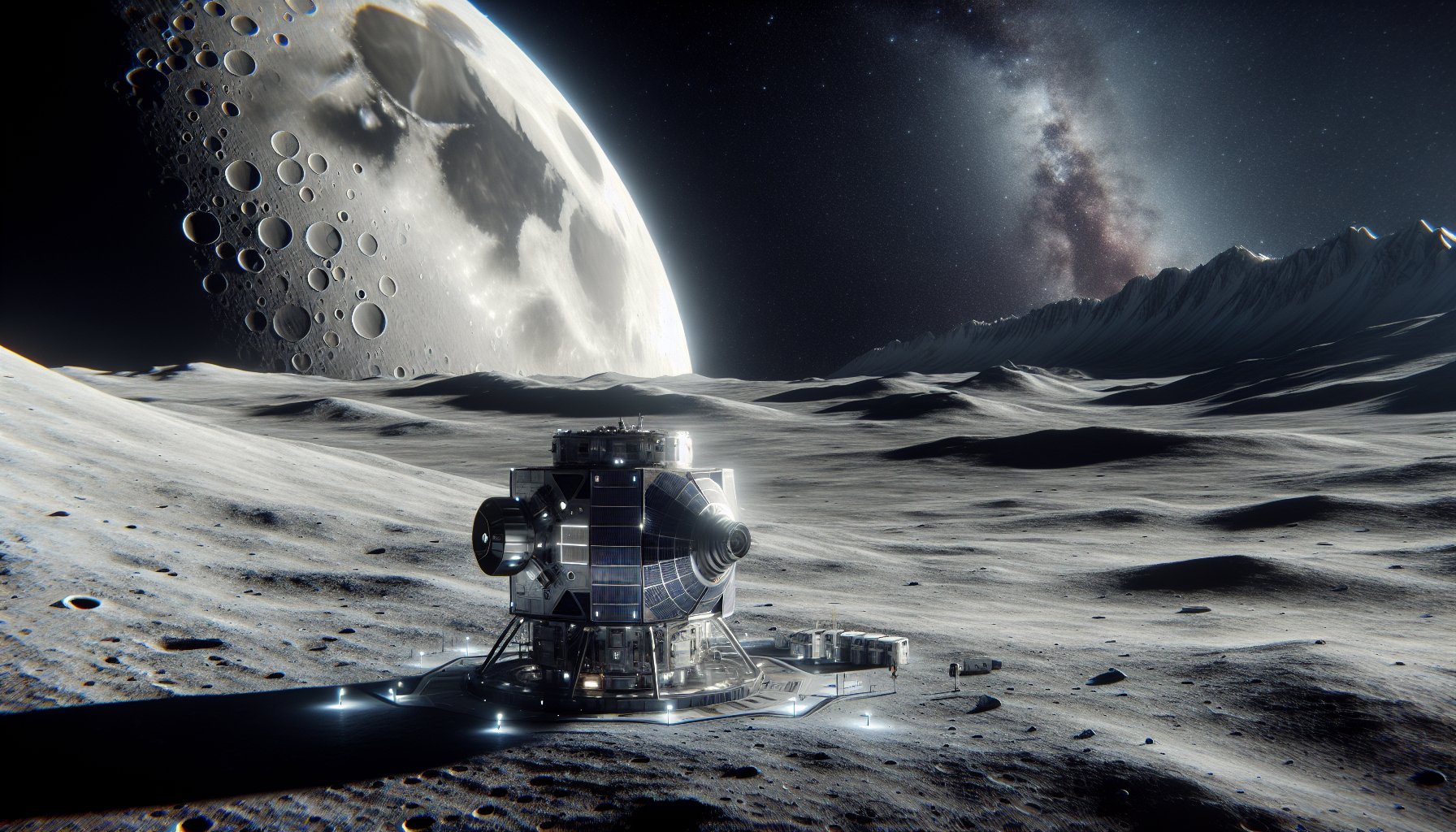
In the velvet blackness of space, where Earth's blue marble shrinks to a distant speck, NASA's Artemis II astronauts caught their first glimpse of the moon's enigmatic far side on April 6, 2026. It was a moment of quiet awe aboard the Orion spacecraft—commander Reid Wiseman and his crew, peering into craters and rugged terrain forever hidden from earthly eyes. "Something we have never seen before," they radioed back, their voices crackling with wonder. This sighting, on Day 5 of the 10-day mission, marked the Orion's entry into the moon's gravitational embrace, setting the stage for a pivotal flyby that could redefine humanity's reach into the cosmos.
A Crew's Eye View of the Unknown
Launched from Florida's Kennedy Space Center on April 1, 2026, aboard the mighty Space Launch System rocket, Artemis II isn't about planting boots on lunar soil—yet. Instead, it's a rigorous shakedown cruise, testing the Orion capsule's life support, radiation shielding, and high-definition cameras for future deep-space jaunts. The four astronauts—Wiseman, a seasoned NASA veteran; Christina Koch, blazing a trail as the first woman on such a voyage; Victor Glover, the mission's first person of color; and Jeremy Hansen from the Canadian Space Agency—represent a new era of inclusive exploration. Hansen's presence underscores international collaboration, making him the first non-U.S. partner in the Artemis program.
As the spacecraft hurtled toward its lunar rendezvous, the crew didn't just observe; they documented. High-definition photos of the far side's pockmarked landscape flooded social media, racking up millions of likes and sparking a surge in public fascination. BBC reports captured the buzz, noting how these images not only thrilled armchair explorers but also spotlighted STEM education, inspiring a new generation to look skyward.
Fine-Tuning the Path: The Correction Burn
Tension built as Orion crossed into lunar gravity at 12:41 a.m. EDT. After a brief rest—crew sleep shifts alternating between four and 4.5 hours—the astronauts awoke at 11:50 a.m. EDT, ready for action. Engineers back at Kennedy fired the spacecraft's engines in a precise "correction burn," tweaking the trajectory for a safe, six-hour flyby. This maneuver locked in a free-return path, using the moon's gravity like a cosmic slingshot to hurl Orion back toward Earth without additional fuel. No room for error here: a miscalculation could strand the crew in the void.
Mission controllers monitored every second, addressing minor hiccups like a finicky urine vent and toilet system. Nothing major disrupted the flow, per reports from BBC and Space.com. Amid the technical ballet, the astronauts paused to marvel at Earth from afar. "Spectacular," Wiseman called it, a reminder of our fragile home amid the stars.
Suiting Up and Looking Ahead
By 2:20 p.m. EDT, the crew turned to practical preparations, donning their $1 million spacesuits in a drill to ensure emergency readiness. These aren't mere outfits—they're high-tech fortresses against the vacuum's lethal chill. As the flyby loomed, NASA officials held a 3:30 p.m. EDT briefing, detailing the photo releases and ongoing live streams that kept the world connected.
This isn't just a joyride; Artemis II revives crewed flights beyond Earth's orbit, unseen since Apollo 17 in 1972. Spanning over 1.4 million miles, it builds on the uncrewed Artemis I test from 2022, proving systems for sustainable lunar presence under the Artemis Accords—a 2020 pact signed by eight nations to set norms for moon exploration.
Toward Splashdown and Beyond
Post-flyby, a perigee raise burn will stabilize the return, paving the way for splashdown in the Pacific Ocean on April 10, 2026. But the real payoff? Success here clears the runway for Artemis III in 2027, which aims to land humans on the moon again—this time, with diversity at the helm.
As the far-side images continue to captivate, Artemis II isn't merely a mission; it's a bridge to Mars and beyond. In an era hungry for horizons, these astronauts aren't just seeing the unseen—they're pulling us all into the future, one gravitational tug at a time.


