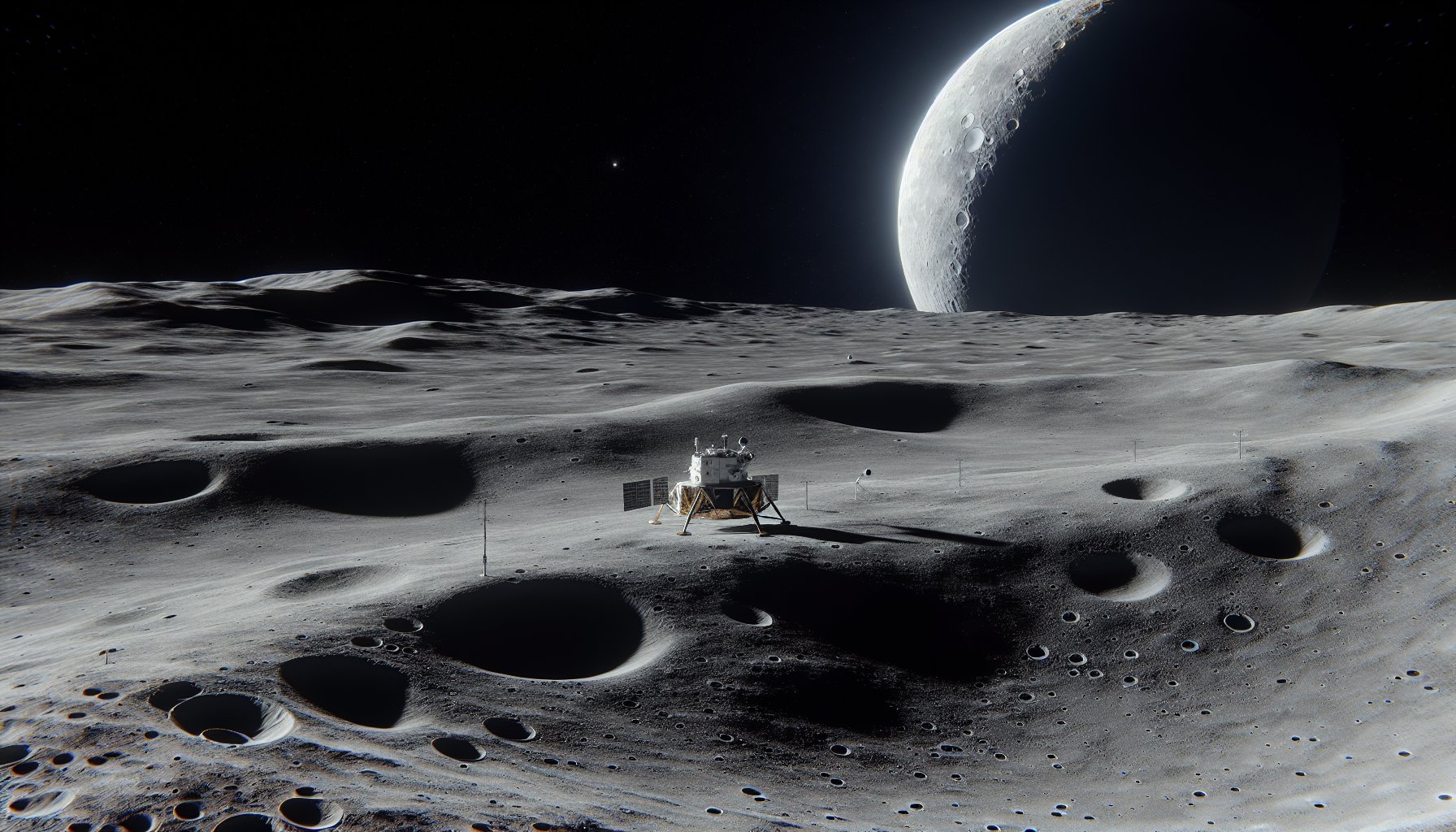
In the vast silence of deep space, four intrepid explorers hurtled farther from Earth than any humans since the Apollo era. Late on April 6, 2026, as their Orion spacecraft skimmed the moon's enigmatic far side, President Donald Trump patched through from the White House, his voice bridging a quarter-million miles to dub them "modern-day pioneers." It was a moment that blended cutting-edge exploration with a nod to history's boldest leaps.
Breaking Barriers in Deep Space
The Artemis II crew—three Americans and one Canadian—pushed the boundaries of human reach, clocking a maximum distance of 252,756 miles from Earth. This eclipsed the Apollo 13 record of 248,655 miles, set during that mission's dramatic 1970 ordeal. NASA officials confirmed the milestone, marking the first crewed deep-space flight in over half a century.
Launched on a free-return trajectory, the Orion capsule looped around the moon without entering orbit, dipping as close as about 4,000 miles to the lunar surface. For a tense period, the spacecraft vanished into a communications blackout on the far side, cut off from Earth's watchful eyes. Emerging unscathed, the astronauts reported breathtaking sights: craters bathed in faint Earthshine, terrain no human had ever glimpsed directly with the naked eye.
Commander Reid Wiseman captured the awe in his words. "No human has ever seen before" certain swaths of the moon's hidden hemisphere, he said, describing low-light vistas and an unexpected solar surprise—details still trickling in from initial reports. It wasn't just data; it was a visceral thrill, the first direct human gaze upon those shadowy realms.
A Presidential Link Across the Void
With a several-second delay crackling over the line, Trump's 12-minute call from Washington turned the technical triumph into a national celebration. "You really are modern-day pioneers, all of you," he told the crew, his words echoing in a transcript released by NASA. He probed their isolation, asking about the far side's eerie appearance and the weight of solitude so far from home.
"America is a frontier nation," Trump continued, framing the mission as a beacon of U.S. ingenuity amid global rivals like China's lunar probes and India's far-side rovers. "Today, you've made history and made all America really proud." The exchange revived a storied tradition—think Nixon's 1969 chat with Apollo 11 moonwalkers or later presidents dialing the International Space Station.
Historians drew parallels to the Apollo days, when grainy photos first revealed the moon's concealed face. Here, Wiseman and his team didn't just photograph; they witnessed it live, their observations validating Orion's prowess for harsher journeys ahead.
Building Toward Lunar Dreams and Beyond
Artemis II isn't a one-off stunt—it's the cornerstone of NASA's ambitious program. Following the uncrewed Artemis I test in 2022, which vetted the mighty Space Launch System rocket and Orion capsule, this mission proves the tech for sustained lunar ops. No private players like SpaceX were involved; this was pure government grit, with the Canadian Space Agency adding an international flair.
The crew, led by Wiseman (names of the others pending full release), remains on track for a splashdown back on Earth. Officials tout the flight's role in tech validation, eyeing Artemis III's crewed landing around 2027. Picture it: a base at the lunar south pole, tapping water ice for fuel and life support, all gearing up for the ultimate prize—MARS.
Trump wrapped the call with a final salute: pride in the team's "genius." As NASA gears up to drop full video and data, the mission's ripple effects are clear. In an era of intensifying space races, Artemis II doesn't just break records; it reignites the spark of exploration, proving we're still a species that dares to chase the stars.


