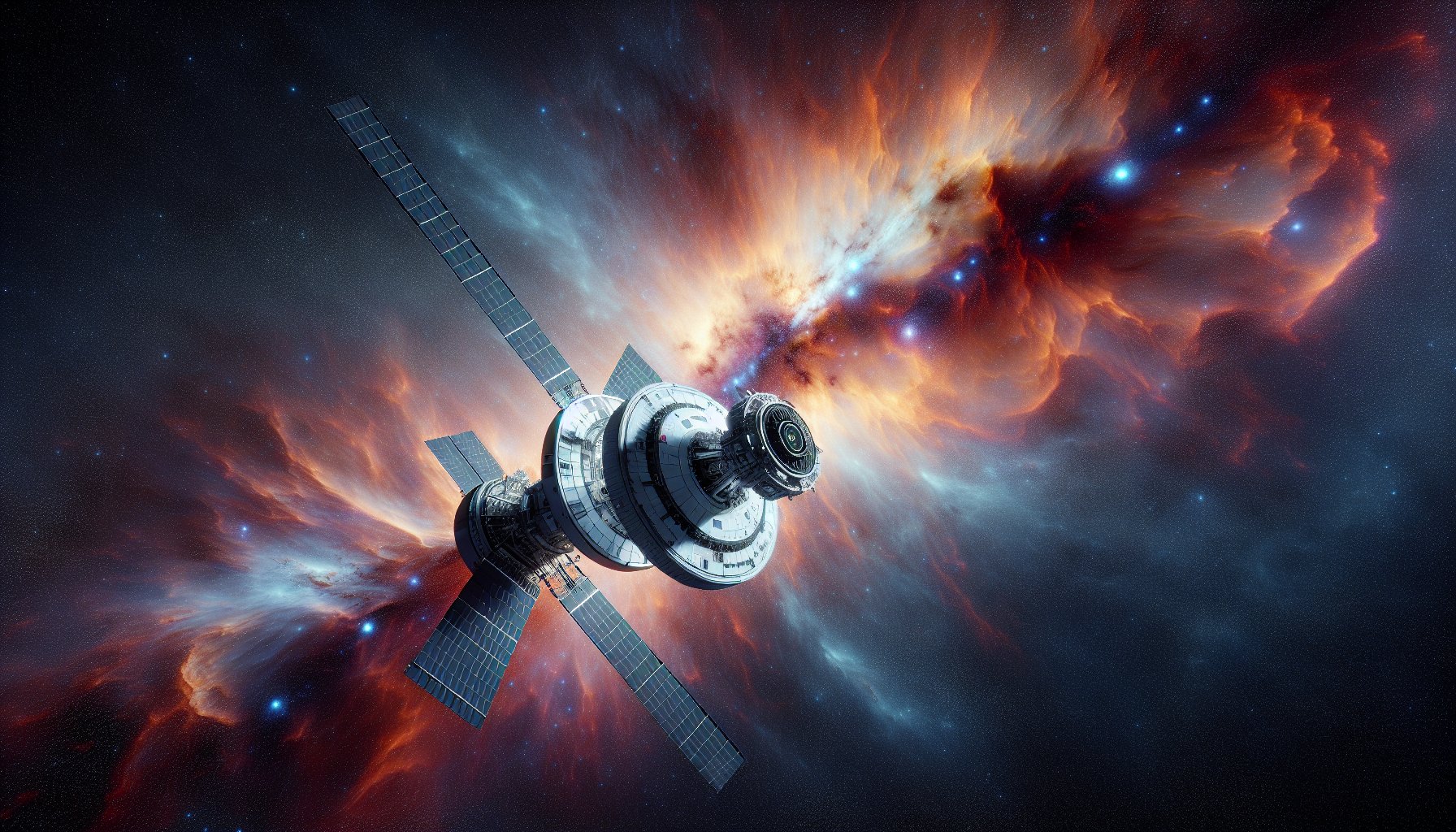
In the misty expanses of New Zealand's Mahia Peninsula, where rugged coastlines meet the vast Pacific, Rocket Lab is gearing up for a celestial harvest. Come May 2026, the company's Electron rocket will roar to life, carrying a satellite named after a Japanese goddess of abundance. But this isn't folklore—it's the cutting edge of Earth observation, blending ancient mythology with modern tech to keep watch over our planet.
A Mission Rooted in Myth and Innovation
Rocket Lab's latest endeavor, dubbed "The Grain Goddess Provides," marks the eighth chapter in a 15-launch saga with Japanese firm iQPS. The star of the show? The QPS-SAR-13 satellite, affectionately nicknamed MIKURA-I after the Shinto deity of granaries, food, and prosperity. This compact powerhouse will hitch a solo ride aboard Electron, Rocket Lab's nimble small-lift rocket, blasting off from Launch Complex 1 on the Mahia Peninsula. Destination: a precise 575-kilometer circular low Earth orbit at a 42-degree inclination, with the exact launch time still under wraps.
What sets MIKURA-I apart is its synthetic aperture radar (SAR) technology—a game-changer for imaging Earth. Unlike traditional optical systems that falter under clouds or darkness, SAR pierces through weather and night, delivering high-resolution snapshots in near-real time. Imagine monitoring a brewing typhoon from space or tracking illegal fishing fleets in stormy seas; that's the promise here, fueling applications in disaster response, maritime surveillance, agriculture, defense, and environmental monitoring.
Building a Constellation, One Launch at a Time
This isn't Rocket Lab's first rodeo with iQPS. Since 2022, the company has nailed seven prior deployments, steadily populating iQPS's ambitious constellation of about 15 satellites. Each Electron mission typically deploys a single bird, though whispers of multi-satellite flights linger without confirmation. The result? A network offering sub-meter resolution in some cases, slashing revisit times and filling critical gaps in all-weather Earth observation.
Rocket Lab's role as iQPS's primary launcher underscores a thriving partnership. "The mission will be Rocket Lab’s eighth launch for iQPS to deploy the company’s constellation over a total of 15 launches," notes the company's website. From New Zealand's Southern Hemisphere perch, Electron provides flexible, responsive access to diverse orbits—key for constellations craving global coverage. It's a far cry from the delays and compromises of rideshare launches, where payloads jostle for space like commuters on a crowded train.
The Tech Edge in a Crowded Sky
iQPS isn't alone in this radar revolution. Rivals like Capella Space and ICEYE are deploying similar systems, turning small satellites into vigilant sentinels for everything from urban planning to crisis management. What makes iQPS stand out is its laser focus on rapid data delivery, empowering users in cloud-prone regions where optical imagery often fails.
Rocket Lab, meanwhile, boasts an impressive track record: over 100 Electron launches since 2017, with innovations like reusable first-stage recovery and high-cadence operations. New Zealand's supportive regulations have turned Mahia into a launchpad powerhouse, hosting more than 50 missions and exemplifying the rise of non-traditional players in the smallsat boom.
Cultural Threads in the Stars
The mission's name isn't just poetic flair—it's a nod to cultural heritage. MIKURA-I evokes themes of abundance, tying neatly into the satellite's role in "providing" vital Earth data. Company officials link it to Japanese mythology, much like other space ventures that draw from legends to humanize high-tech pursuits. (Pro tip: Searching "grain goddess" might yield biblical harvest rituals or Passover lore—fascinating detours, but unrelated to rocketry.)
As iQPS's constellation expands, expect sharper insights into our world. Enhanced revisit rates will supercharge responses to natural disasters, while SAR's weather-penetrating prowess proves invaluable for infrastructure assessments and beyond. Rocket Lab's high success rates ensure steady progress, with more launches slated to complete the series.
Toward a Bountiful Future
With verification confirming the May 2026 window as a firm "no earlier than" date—and no slips on the horizon— "The Grain Goddess Provides" symbolizes more than a single launch. It's a testament to how innovative partnerships are democratizing space, blending cultural reverence with technological might. As iQPS and Rocket Lab press on, they're not just deploying satellites; they're harvesting data that could nourish a safer, more informed planet. Watch the skies—abundance is on the way.


