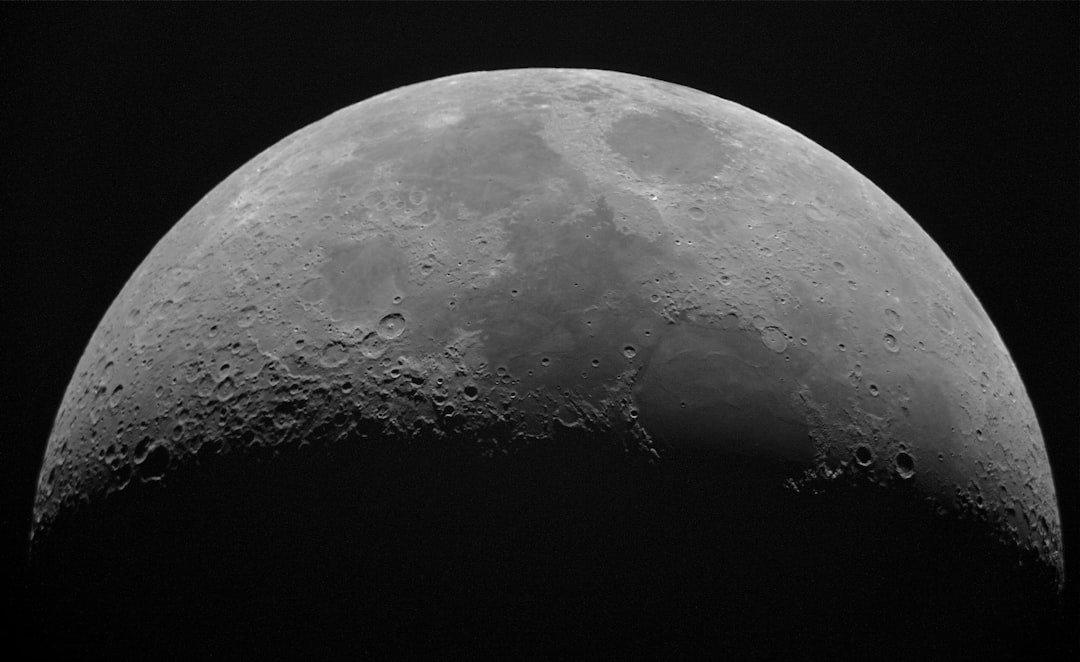
KENNEDY SPACE CENTER, Fla. (AP) — NASA is targeting February 2026 for the launch of Artemis II, the first crewed mission to the moon in more than 50 years. The 10-day flight will send four astronauts on a lunar flyby aboard the Orion spacecraft from Kennedy Space Center. The crew includes NASA astronauts Commander Reid Wiseman, Pilot Victor Glover and Mission Specialist Christina Koch, along with Mission Specialist Jeremy Hansen from the Canadian Space Agency. The mission follows the uncrewed Artemis I test in 2022.
Artemis II will test key systems for future lunar landings and prepare for Mars exploration, NASA said. The flight will circumnavigate the moon without landing, marking the farthest humans have traveled since the Apollo missions. NASA completed a countdown demonstration test on Dec. 20, 2025, and plans to roll the Space Launch System rocket and Orion spacecraft to the launch pad soon for final integration and rehearsals.
Some reports specify March 6, 2026, as the earliest launch date, with four backup windows in the first half of 2026, according to the BBC. NASA previously delayed the mission from April 2026, but recent progress accelerated the timeline. The agency described the Dec. 20 test as a success in a Jan. 9, 2026, update.
"As NASA moves closer to launch of the Artemis II test flight, the agency soon will roll its SLS rocket and Orion spacecraft to the launch pad for the first time ... to begin final integration, testing, and launch rehearsals," NASA spokesperson Lauren E. Low said in the Jan. 9 update.
The crew includes the first Canadian astronaut on a lunar mission. Wiseman, Glover and Koch bring prior spaceflight experience. The mission will test Orion's life support, navigation and abort systems in deep space, officials said.
Artemis II is a precursor to Artemis III, which plans a crewed landing on the lunar south pole, NASA said. The south pole holds water ice that crews could extract for fuel and life support, supporting a long-term lunar base.
The program aligns with the Artemis Accords, involving more than 40 nations, including Canada. Boeing built the SLS rocket, and Lockheed Martin developed the Orion spacecraft. The mission revives U.S. human lunar exploration after Apollo 17 in December 1972.
The 10-day flight will take astronauts farther into space than any previous crewed mission since Apollo. Recent developments include preparations at Kennedy Space Center's Vehicle Assembly Building. NASA shared photos of the SLS and Orion in High Bay 3 on Jan. 9, 2026. The agency addressed past anomalies from Artemis I, such as heat shield issues, but reported no current problems for Artemis II.
BBC science correspondent Pallab Ghosh reported on Sept. 23, 2025, that NASA hoped to launch no later than April 2026. Updated reports from the BBC and USA Today now point to February or March 2026, reflecting progress after the December test.
"The Artemis II mission, which will last about 10 days, could take its astronauts further into space than anyone has been before," Ghosh and Alison Francis wrote in a BBC article published about seven hours before this report.
USA Today reporter Eric Lagatta, in a Jan. 16, 2026, update, stated: "The mission will be the first time humans have ventured near the moon in over 50 years."
Artemis II fits into a broader 2026 spaceflight schedule, with NASA planning up to six missions, including SpaceX's Starship for later Artemis phases. The program counters lunar ambitions by China and Russia, who aim to build their own base.
No docking or landing will occur in Artemis II, which focuses on system validation. Crew training continues after the December test, with simulations for radiation exposure and deep-space navigation.
Launch windows depend on orbital mechanics and weather at Kennedy Space Center. NASA is monitoring for technical holds but reports smooth progress.
The mission's success would validate billions in investments after years of delays and cost overruns in the Artemis program. Officials expect the flyby to provide data on crew performance in extended deep-space environments.
International partners, including the Canadian Space Agency, contribute to future phases. Hansen's inclusion highlights collaboration under the Artemis Accords.
NASA's ultimate goal links lunar exploration to Mars missions. The moon serves as a proving ground for technologies needed for the longer journey to Mars, such as sustainable life support.
Sources agree on the mission's historical significance, with strong consensus from NASA and BBC reports. Low-credibility sources, such as Reddit posts, repeat headlines without new details.
Exact launch dates remain subject to final confirmation. NASA plans further press updates as rollout begins.


