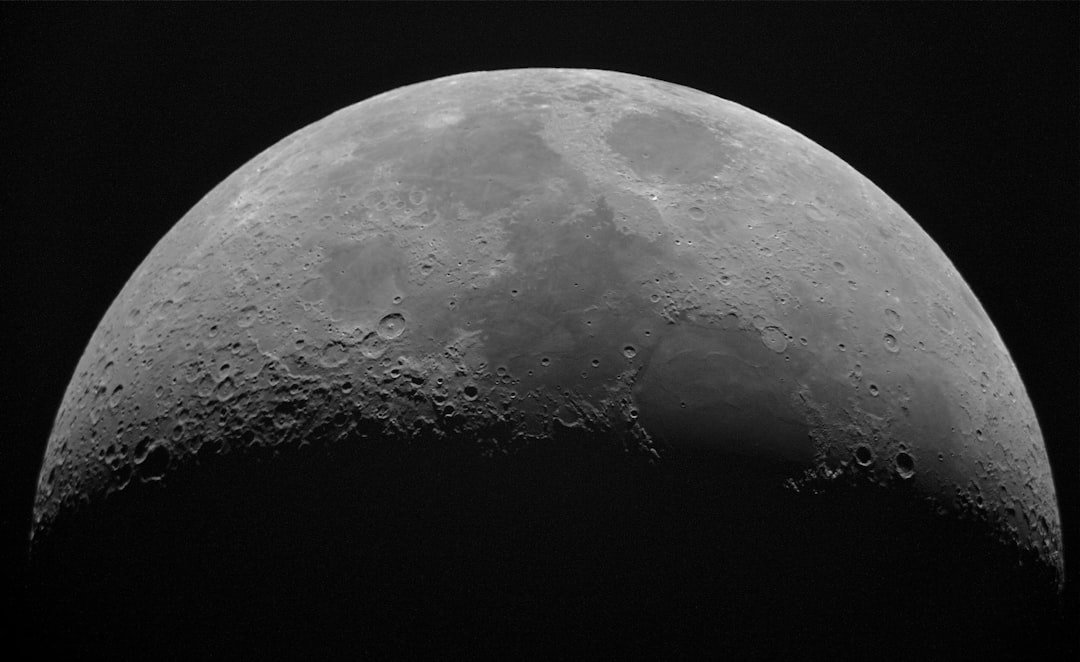
NASA Delays Artemis II Moon Mission Launch to Feb. 8 or Later Due to Florida Cold Snap
CAPE CANAVERAL, Fla. (AP) — NASA has postponed the Artemis II launch to no earlier than Feb. 8, 2026, after delaying a key rehearsal due to near-freezing temperatures at Kennedy Space Center, officials said Friday.
The space agency shifted the wet dress rehearsal from the weekend of Jan. 31-Feb. 1, 2026, to Monday evening, Feb. 2, citing a rare arctic outbreak that violated launch weather criteria. The rehearsal involves fueling the Space Launch System rocket with cryogenic propellants and simulating a countdown to 30 seconds before liftoff. This change narrows the February launch window to three dates: Feb. 8, 10 and 11, NASA said.
Artemis II will carry four astronauts on the first crewed mission around the moon since Apollo 17 in 1972. The crew includes commander Reid Wiseman, pilot Victor Glover and mission specialist Christina Koch from NASA, along with mission specialist Jeremy Hansen from the Canadian Space Agency. The mission will test the Orion spacecraft and SLS rocket for human deep-space operations.
The rocket, designated SLS Block 1 with Orion capsule CM-003, stands ready at Launch Complex 39B, NASA officials said. The crew remains in quarantine in Houston and plans to travel to Florida closer to the launch date. The mission will last about 10 days, ending with a splashdown in the Pacific Ocean recovered by the U.S. Navy.
NASA managers assessed hardware against the weather forecast and decided to adjust the timeline. "Managers have assessed hardware capabilities against the projected forecast given the rare arctic outbreak affecting the state and decided to change the timeline," the update stated. "Adjusting the timeline for the test will position NASA for success during the rehearsal, as the expected weather this weekend would violate launch conditions."
The delay stems from risks to hardware and teams during cryogenic fueling in near-freezing conditions, NASA said. Local reports confirmed the weather as the cause. The no-earlier-than launch aligns with Feb. 9, 2026, UTC, or Feb. 8 Eastern Standard Time.
Artemis II follows the uncrewed Artemis I mission that succeeded in November 2022. The program aims to establish a sustainable lunar presence, including the Gateway space station and a crewed landing under Artemis III planned for 2027 or later. This flight marks the first with an international crew member on a lunar mission, as Hansen becomes the first non-U.S. astronaut in that role, according to the Canadian Space Agency.
Launch delays have occurred before in the Artemis program, with Artemis II slipping from an initial target of September 2025. Weather sensitivities are common for cryogenic systems, as seen in other programs like SpaceX's Starship, according to industry reports. The current slip is minor but highlights vulnerabilities at Florida spaceports to cold snaps, such as the 2024 polar vortex.
The Feb. 8 date coincides with Super Bowl Sunday, potentially affecting public attention, though NASA has not commented on that factor. The narrowed window results from lunar trajectory requirements, limiting opportunities before the next window in March.
Orion, built by Lockheed Martin, will fly about 6,400 kilometers from the moon during the mission. The spacecraft, known as the Multi-Purpose Crew Vehicle, will undergo final checks during the wet dress rehearsal.
Kennedy Space Center teams are monitoring conditions closely, with the rehearsal now set for Feb. 2 evening. Successful completion would clear the path for launch preparations.
"Artemis II can’t launch without a wet dress rehearsal, and that can’t happen with the forecast that we’re seeing for this weekend," NASA officials told WESH reporters.
The mission validates systems for future deep-space travel amid competition from China’s lunar program, which plans Chang’e-7 and -8 missions by 2028, according to international space agency reports. Artemis has driven significant investment, with the program budgeted at more than $93 billion through 2025, boosting jobs in Florida and Texas, NASA economic data shows.
Public interest in Artemis II remains steady despite delays, though some online discussions note fatigue after Artemis I. NASA emphasizes the program’s role in advancing U.S. leadership in space exploration.
Further updates on the wet dress rehearsal results are expected after Feb. 2. Any issues could push the launch beyond February, though no additional delays have been announced.


