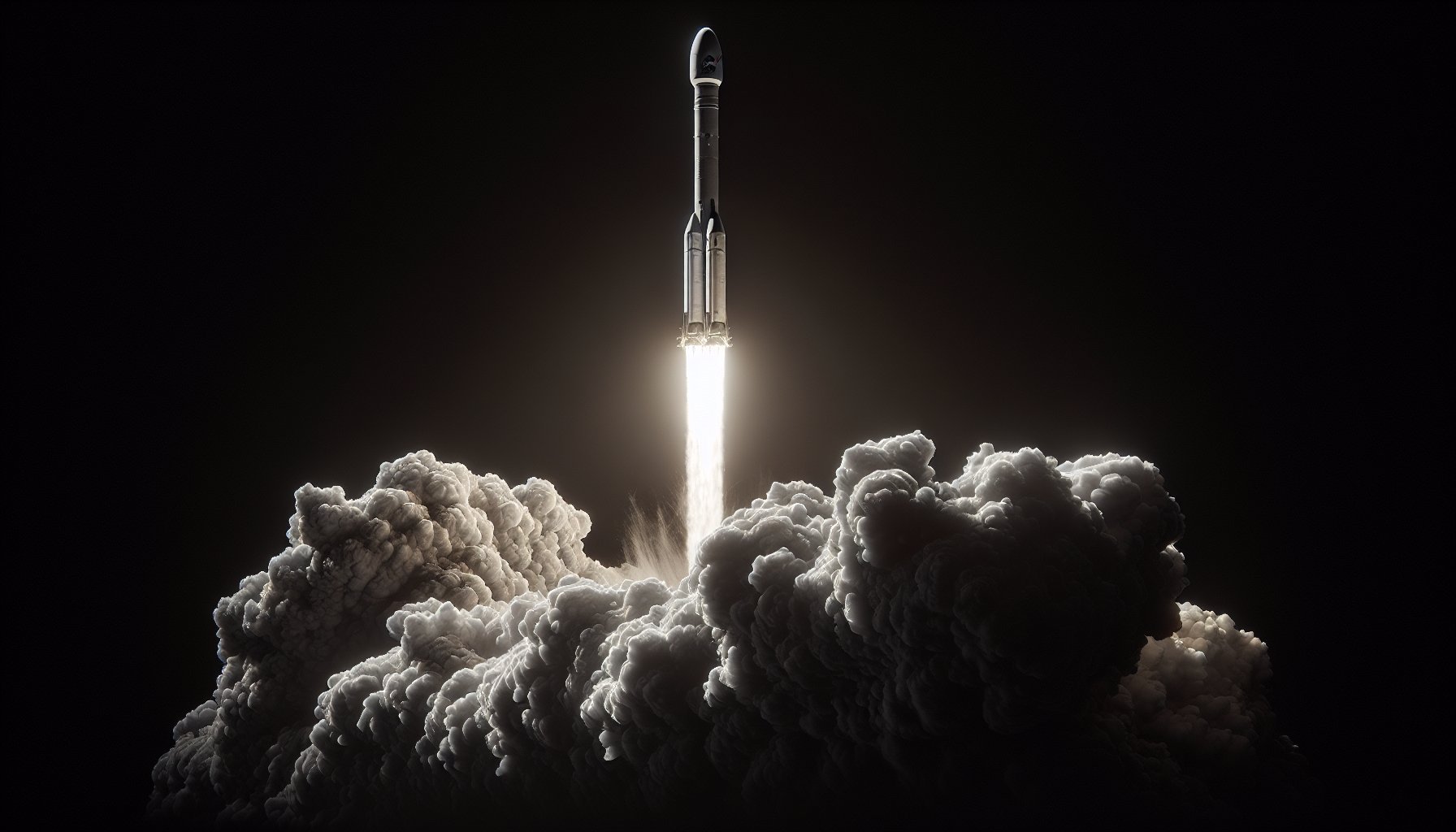
Live Coverage: SpaceX Planning Pre-Dawn Falcon 9 Launch From Cape Canaveral of 29 Starlink Satellites – Spaceflight Now
CAPE CANAVERAL, Fla. (AP) — SpaceX plans to launch 29 Starlink satellites on a Falcon 9 rocket from Cape Canaveral Space Force Station in Florida early Friday. The launch targets a pre-dawn liftoff during a four-hour window, with possible times at 5:20 a.m. EST or 7:16 a.m. EST, according to Spaceflight Now and SpaceX updates.
The mission aims to expand SpaceX's Starlink internet constellation. Crews will deploy the satellites into low Earth orbit about one hour after liftoff. The Falcon 9 first-stage booster, designated B1069, will attempt a landing on the droneship A Shortfall of Gravitas in the Atlantic Ocean east of the Bahamas, SpaceX said.
This launch marks SpaceX's 25th Falcon 9 mission in 2026 and the 607th overall since 2010, according to company records. The booster B1069 heads for its 30th flight. It first flew on the CRS-24 cargo mission to the International Space Station in December 2021. That debut flight damaged the booster during landing, but SpaceX repaired it for subsequent missions.
B1069 has since completed 25 Starlink launches, plus missions for Eutelsat HOTBIRD 13-F, OneWeb 1 and SES-18/19, according to Spaceflight Now. SpaceX engineers inspected and refurbished the booster after each flight. This reusability milestone underscores the company's efforts to lower launch costs through repeated hardware use.
Weather poses a potential challenge. The 45th Weather Squadron forecasts an 85% chance of favorable conditions for Friday's window. That probability drops to 30% if delayed to Saturday due to an approaching cold front, officials said. Past Starlink launches from Florida faced similar weather risks, with success rates in the 80-95% range for comparable forecasts, according to Spaceflight Now archives.
"SpaceX is planning to launch another 29 satellites for its Starlink internet service before sunrise on Friday at Cape Canaveral," Spaceflight Now reported in its coverage preview.
The satellites belong to Starlink Group 6-108, a batch of V2 Mini models. SpaceX designed these for optimized broadband service in low Earth orbit. The company has deployed nearly 8,000 Starlink satellites to date, forming a mega-constellation for global internet access, according to SpaceX statements.
Launch operations occur at Space Launch Complex 40. The rocket follows an easterly trajectory over the Atlantic. Spaceflight Now plans live coverage starting about one hour before liftoff. Viewers can access streams on the outlet's website or SpaceX's platforms.
This mission fits SpaceX's high launch cadence in 2026. The company averaged similar rates in prior years, with recent examples including Starlink 10-16 carrying 27 satellites in June 2025, Starlink 12-24 with 23 satellites that same month, and Starlink 11-20 deploying 28 satellites in September 2025, according to mission logs from Spaceflight Now and The Space Devs.
Discrepancies exist in reported liftoff times. Spaceflight Now initially cited 7:16 a.m. EST, while other updates listed 5:20 a.m. EST. Officials attributed the variance to potential scrubs or window adjustments, common in pre-launch planning.
No confirmation of liftoff has occurred yet. Sources describe the status as "planning" or to-be-determined. SpaceX typically announces go/no-go decisions closer to the window.
The booster's history highlights reusability advances. After its damaged landing on CRS-24, B1069 returned to service quickly. It supported commercial payloads alongside Starlink missions, demonstrating Falcon 9's versatility.
Starlink's expansion continues amid broader industry trends. Competitors like OneWeb have used SpaceX rockets for their constellations, as seen in B1069's flight log. Regulatory bodies monitor mega-constellations for issues like orbital debris and light pollution, according to industry reports.
SpaceX operates the Falcon 9 Block 5 variant for this launch. The rocket stands about 230 feet tall and generates over 1.7 million pounds of thrust at liftoff. Payload fairings protect the satellites during ascent.
If successful, the deployment adds to Starlink's capacity for services like direct-to-cell connectivity and coverage in remote areas. SpaceX has not disclosed specific orbital parameters for this group, but past missions targeted inclinations around 53 degrees and altitudes near 550 kilometers.
Live updates will track any changes. Spaceflight Now and SpaceX provide real-time information via social media and websites. Officials urge spectators to follow safety guidelines near the launch site.
This launch aligns with SpaceX's goals post-Artemis II missions. The company eyes further Starship development while maintaining Falcon 9 operations. No economic details on this specific mission emerged, but Starlink generates revenue through subscriber services worldwide.


