Blastoff at Dawn: SpaceX's Starlink 17-23 Mission Pushes Reusability to New Heights
In the pre-dawn hush of California's central coast, a Falcon 9 rocket stands poised like a sentinel against the starry sky. At precisely 2:10:39 a.m. PST on March 1, 2026, SpaceX aims to ignite its engines and hurl 25 Starlink satellites into orbit from Vandenberg Space Force Base. This isn't just another launch—it's a testament to relentless innovation, where a battle-tested booster returns for its 20th flight, chasing the dream of affordable space access. As the countdown ticks, the world watches: Will this mission etch another milestone in the annals of reusable rocketry?
Mission Snapshot: Southern Skies and Satellite Deployment
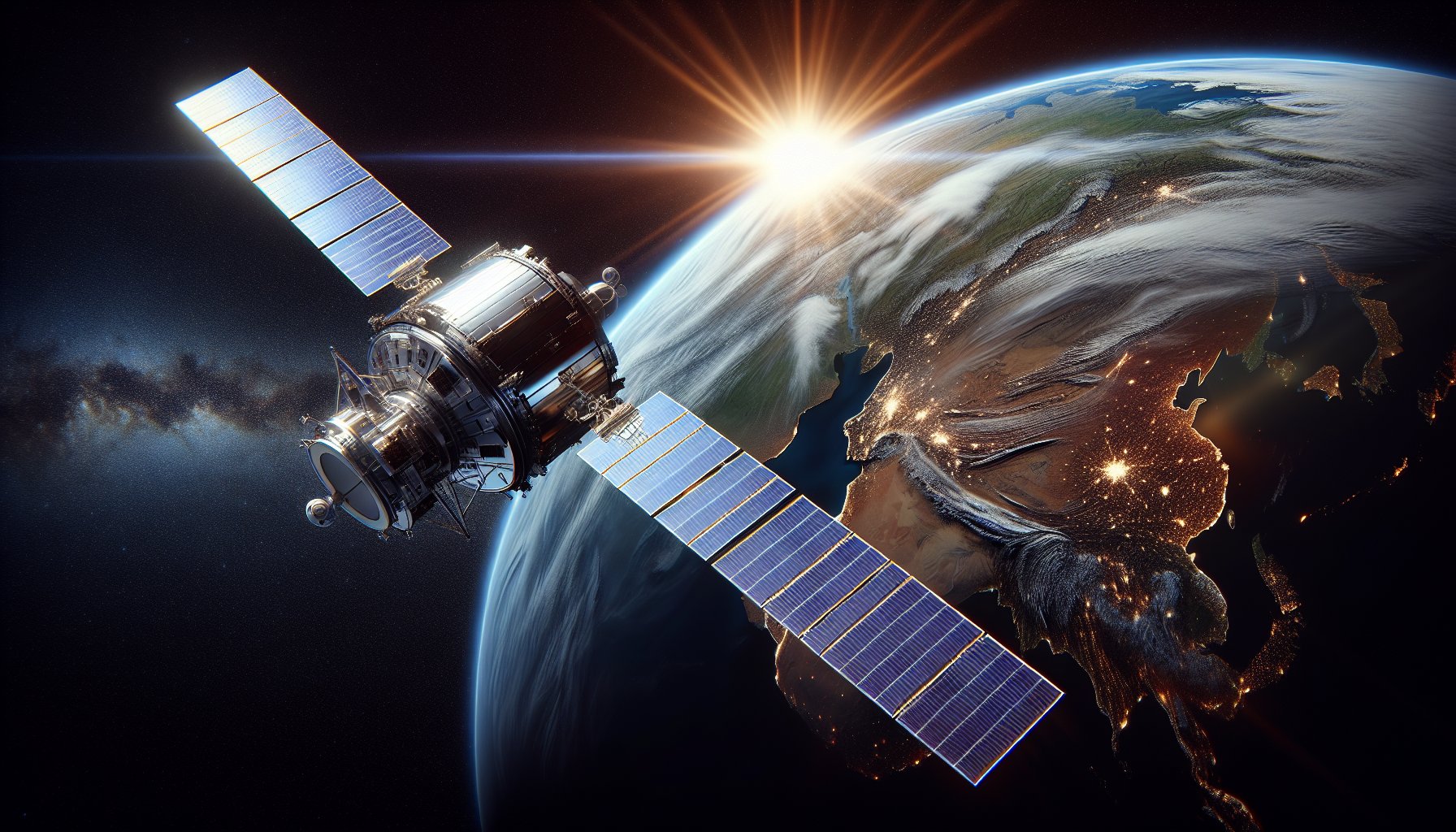
Dubbed Starlink 17-23, the flight will originate from Space Launch Complex 4 East, sending the Falcon 9 on a southerly trajectory toward low Earth orbit. The payload? A cluster of 25 V2 Mini satellites, designed to bolster SpaceX's burgeoning broadband network. These compact powerhouses, each weighing several hundred kilograms and equipped with advanced features like laser communication links in select models, will deploy about an hour after liftoff, settling into a 53-degree orbital inclination at around 500 kilometers altitude.
The real star here is the first-stage booster, B1082. Fresh off its debut in January 2024, this workhorse has already logged an impressive resume: supporting the USSF-62 military mission, OneWeb Launch 20, the secretive NROL-145 intelligence payload, and 15 prior Starlink sorties. Its most recent outing? The Starlink 17-11 mission on September 25, 2025, right from the same Vandenberg pad. In the ensuing six months, B1082 racked up four more flights, showcasing SpaceX's knack for rapid refurbishment. After separating from the second stage, it will attempt a precision landing on the drone ship Of Course I Still Love You, bobbing in the vast Pacific—a ritual that transforms fiery descents into routine recoveries.
A Booster's Epic Journey: From Novice to Veteran
Imagine a rocket stage that refuses to retire. Booster B1082 embodies SpaceX's reusability ethos, slashing costs by flying again and again. "Falcon 9 booster B1082 will be making its 20th flight since its inaugural flight in January 2024," notes a Spaceflight Now report, underscoring a progression that's as much about endurance as engineering. From hauling sensitive government payloads to deploying commercial constellations, this booster's history reads like a spacefaring odyssey.
Vandenberg, with its strategic West Coast perch, enables these polar and southerly orbits that Florida's Cape Canaveral can't match. The base has hosted over 200 orbital launches by mid-2025, with Starlink missions dominating the docket. Recent highlights include the June 16, 2025, Starlink 15-9 flight, which lofted 26 satellites aboard booster B1093 and marked the 200th orbital mission from Space Launch Complex 4 East. Then there was November 2025's debut of booster B1100, ferrying 28 satellites on its maiden voyage—the eighth new addition to SpaceX's fleet that year.
Accelerating the Pace: SpaceX's West Coast Rhythm
SpaceX isn't just launching rockets; it's orchestrating a symphony of high-frequency operations. In September 2025 alone, the company pulled off three Falcon 9 launches in under 41 hours, a blistering pace that fuels Starlink's expansion. By August of that year, Florida sites had notched 69 flights, while Vandenberg focused on specialized trajectories. This mission, with its 25 satellites (a count that fits within recent batches of 24 to 29), adheres to the Group 17 naming for Vandenberg ops—no delays reported, and weather odds historically hover at 90% favorable.
At the heart of it all is the drone ship recovery, a cornerstone of SpaceX's strategy. Coordinated with the U.S. Space Force for pad access and range safety, these launches run like clockwork, emphasizing routine reliability. The Starlink network, now serving millions worldwide and beaming internet to remote corners, generates hefty revenue—bolstered by Federal Communications Commission approvals and innovations like direct-to-cell tech.
Facing the Competition: A Constellation Race
Yet, SpaceX doesn't orbit in isolation. Rivals like OneWeb and Amazon's Kuiper are nipping at its heels, while China's GuoWang eyes its own mega-constellation. SpaceX's edge? That reusable might, enabling economic dominance in low Earth orbit. Analysts pore over metrics like B1082's swift climb from 16 to 20 flights, probing the long-term viability of Falcon 9 boosters amid this cosmic arms race.
As live coverage streams from Spaceflight Now starting 30 minutes before liftoff, the tension builds. Backup windows remain unconfirmed, but the stakes are clear: Each successful deployment inches us closer to a truly connected planet. In an era where space is no longer the final frontier but a bustling highway, missions like Starlink 17-23 remind us that the sky isn't the limit—it's just the beginning.


